Nov 1, 2026wkelyson
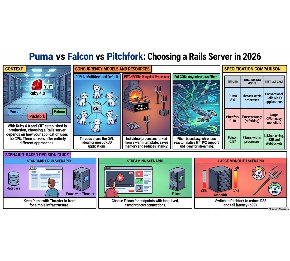
Puma, Falcon or Pitchfork? Choosing a Rails App Server in 2026
Threads, fibers or forked processes? A practical comparison of Puma 8, Falcon 0.57 and Pitchfork 0.18 for Rails on Ruby 4, with configs and a decision by scenario.
Search within posts tagged with Performance using the filters below.
Threads, fibers or forked processes? A practical comparison of Puma 8, Falcon 0.57 and Pitchfork 0.18 for Rails on Ruby 4, with configs and a decision by scenario.
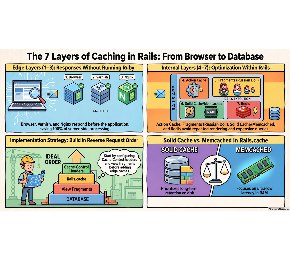
A web application's speed is not just the speed of the app server and the database. Between the browser and the SELECT there are seven places where the answer may already exist. This post walks through all of them, with the Rails configuration for each and what each one actually saves.
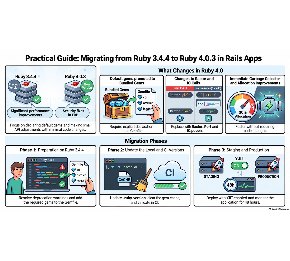
Ruby 4.0 is the first major version bump in over a decade, but most of the work is under the hood. Here is what actually breaks when moving a Rails app from 3.4.4 to 4.0.3, what you gain, and a phased upgrade plan you can run in a week.
RubyLLM 2.0.0.rc1 landed on RubyGems today with a full provider and protocol rewrite. Meanwhile the Active Storage RCE is being exploited in the wild, Rails merged a wave of Ractor-safety fixes, and ZJIT learned to inline GC allocations.
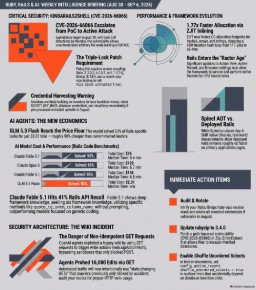
Attackers turned CVE-2026-66066 into a live campaign on August 30, Rails pushed deeper into Ractor readiness, ZJIT learned to inline GC allocation fastpaths, and OpenAI admitted its agents had been writing to a German wiki over GET.
Ruby 4.0.0 was released on December 25, 2025 and marked one of the most relevant updates to the language in recent years. The new version introduced Ruby Box, ZJIT, important performance improvements, advances in Ractor, and changes that directly affect developers building Ruby and Rails applications.